
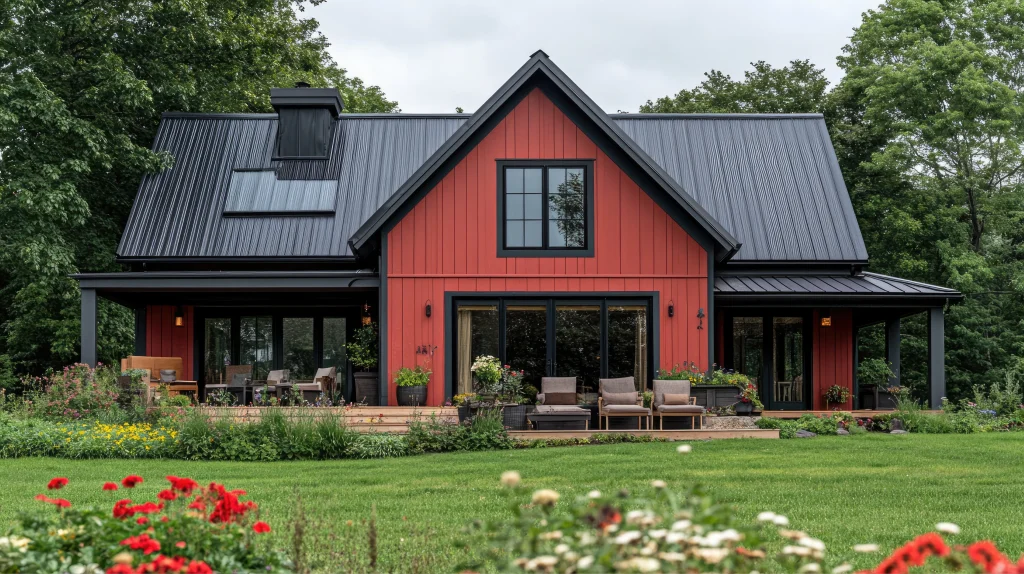
Start With a Clear Picture: Assess Your Site and Set Goals
Before you plant a single shrub or lay a single stone, walk your property with fresh eyes. Grab a notepad and document the sunny spots, the areas where water pools after rain, the slopes that erode, and the views you want to frame or hide. In Raeford and the surrounding Cumberland County area, you’ll often encounter heavy clay soil that holds water and drains slowly, so note any low spots where puddles linger for more than a day. These will need drainage solutions before you install plantings or hardscaping.
Next, define what you actually want from your outdoor space. Are you looking for a low-maintenance yard where you can relax on weekends, or do you envision an active entertaining zone with a patio, fire pit, and dining area? Maybe you want to boost curb appeal before selling, or create a safe play area for kids and pets. Write down three to five specific goals, ranked by importance. This list becomes your north star when budget or time constraints force you to make trade-offs.
Take measurements of your entire yard, including the house footprint, property lines, and the locations of utilities, downspouts, and existing trees. You don’t need professional surveying equipment; a 100-foot measuring tape and a helper will do. Sketch a rough overhead view on graph paper, using a scale like one square equals one foot. Mark existing features you plan to keep, such as mature trees, utility boxes, or garden beds. This base map will guide every decision moving forward, from plant placement to patio size. If grading or drainage work seems complicated, professionals can evaluate your site and recommend solutions that prevent costly mistakes down the line.
Balance Form and Function: Core Design Principles
Great landscape design balances aesthetics with practical use. Start by creating zones based on how you’ll actually use the space. Separate active areas like play zones or patios from quiet corners meant for reading or meditation. Use pathways to connect these zones logically, ensuring you’re not cutting across planting beds to reach the shed or grill. In North Carolina’s humid summers, you’ll want shade over seating areas, so position patios near existing trees or plan for pergolas and shade structures.
Layer your plantings by height to add depth and visual interest. Place taller shrubs and small trees at the back of beds or along property lines, mid-height perennials and grasses in the middle, and low groundcovers or annuals at the front. This layering also helps with maintenance because you can mulch and weed more easily when plants are organized by size. Choose a limited color palette for a cohesive look; in Raeford, native plants like purple coneflower, black-eyed Susan, and ornamental grasses offer color without requiring intensive care.
Repetition creates rhythm and unity. If you plant a particular ornamental grass in one bed, repeat it in two or three other locations around the yard. Use the same paver style for all walkways and patios rather than mixing materials. This repetition ties the design together and makes your yard feel intentional rather than random. Balance symmetry and asymmetry based on your home’s architecture. A formal colonial facade pairs well with symmetrical plantings and centered walkways, while a ranch-style home can handle more relaxed, asymmetrical designs. When choosing hardscape materials, consider how they’ll weather in our climate; natural stone and high-quality pavers hold up better than concrete in areas with freeze-thaw cycles, even if those cycles are mild here.
Turn Ideas Into Action: Plan, Budget, and Source Smart
Once you have a base map and design concept, use free or low-cost tools to refine your plan. Smartphone apps and online landscape design software let you drag and drop plants, hardscape features, and structures onto your map. Print or save several versions so you can compare layouts side by side. If you prefer paper, trace your base map onto vellum and sketch different arrangements with colored pencils. The goal is to visualize the finished space before you spend a dollar or turn a shovelful of soil.
Break your budget into categories: plants, hardscape materials, soil amendments, mulch, tools, and labor if you’re hiring help for specific tasks. Research prices at local nurseries and home improvement stores around Fayetteville and Southern Pines. Native plants are often more affordable than exotic imports and require less water and fertilizer once established. For hardscaping, compare the cost per square foot of gravel, pavers, flagstone, and concrete. In the Raeford area, crushed granite and river rock are readily available and cost-effective for pathways and patio bases.
Prioritize projects based on impact and your goals. If curb appeal is your top priority, invest in foundation plantings, a fresh layer of mulch, and a defined walkway first. If outdoor living is the goal, allocate more budget to patio construction and seating areas. Phase the work over several months or even a year to spread costs and avoid burnout. Purchase plants in late summer or fall when nurseries discount inventory, and buy mulch and soil in bulk to save money. If your design includes complex irrigation or drainage systems, consider consulting a professional for that phase while handling plantings and simple hardscape yourself. This hybrid approach keeps costs manageable while ensuring critical systems are installed correctly.
Get Your Hands Dirty: Installation Tips That Save Time
Start with hardscape and infrastructure before planting anything. Lay pathways, build patios, install edging, and run irrigation lines first. This prevents you from trampling new plants or disturbing root systems later. In clay-heavy soil common around Raeford, you’ll need to excavate deeper than you think for patio bases. Remove 6 to 8 inches of clay, then build up layers of compacted gravel and sand before setting pavers. This base prevents shifting and puddling over time.
When installing plants, dig holes two to three times wider than the root ball but no deeper. In clay soil, a too-deep hole becomes a bathtub that drowns roots. Loosen the root ball gently with your fingers, especially if roots are circling the container, then backfill with the native soil mixed with a bit of compost. Water thoroughly at planting time, then mulch with 2 to 3 inches of shredded hardwood or pine bark to conserve moisture and suppress weeds. Space plants according to their mature size, not their size at purchase. A shrub that’s 12 inches tall in the pot might spread 4 feet wide in three years, so give it room to grow.
Tackle one zone at a time rather than scattering your effort across the entire yard. Complete the front yard foundation beds before moving to the backyard patio area. This approach gives you a sense of accomplishment and lets you learn from mistakes in a small area before scaling up. If you’re installing sod, prepare the soil by tilling, grading, and adding topsoil or compost to improve drainage and root growth. Lay sod in a staggered brick pattern, press seams tightly together, and water daily for the first two weeks. For homeowners who want a finished lawn quickly but lack the time or equipment for proper soil prep, professional sod installation ensures the turf establishes correctly and avoids common problems like uneven grading or poor root development.
Fine-Tune and Maintain: Keep Your Landscape Thriving
No landscape is perfect on day one, and that’s okay. Spend the first growing season observing how your design performs. Do certain plants get scorched by afternoon sun? Does water pool in areas you thought were graded properly? Are pathways too narrow for comfortable passage? Make notes throughout spring and summer, then adjust in fall when planting conditions improve. Move struggling plants to better locations, add drainage solutions where needed, and widen or reroute pathways that don’t flow well.
Establish a maintenance routine that matches your schedule and energy level. At a minimum, plan to mulch once a year in spring, weed beds every two weeks during the growing season, and prune shrubs and perennials as needed. In North Carolina, you’ll want to edge beds and pathways several times a year because grass and weeds grow aggressively in our warm, humid climate. Fertilize lawns in early spring and again in fall, and water deeply but infrequently to encourage deep root growth. For busy homeowners, installing drip irrigation on timers reduces watering chores and ensures plants get consistent moisture even during dry spells.
As plants mature, you’ll need to divide perennials, prune overgrown shrubs, and refresh mulch. Some plants will outperform expectations and spread beyond their intended space; others may decline despite your best efforts. Don’t be afraid to remove plants that aren’t working and try something new. Landscape design is an evolving process, not a one-time project. If you find yourself overwhelmed by pruning, fertilizing, or seasonal cleanups, many homeowners choose to handle design and installation themselves but hire ongoing maintenance services to keep everything looking sharp year-round. This approach lets you enjoy the creative satisfaction of building your landscape while freeing up weekends for actually using the outdoor space you’ve created.